Shopify Product Page Customization for Skincare Brands
TL;DR
Shopify product page customization skincare works best when you combine three things in one flow: evidence-backed trust content, structured product data with metafields, and mobile-first performance optimization. Teams that keep ingredient education, compatibility guidance, and proof (reviews/results) visible above the fold typically reduce uncertainty faster and improve checkout progression, especially when they pair this with measurable Core Web Vitals and clear conversion tracking.
Skincare shoppers evaluate risk before they evaluate price.
A skincare PDP must answer compatibility and trust questions early: ingredients, skin concern fit, usage clarity, and expected timeline. If this data is hidden in tabs, users often bounce to search or reviews.
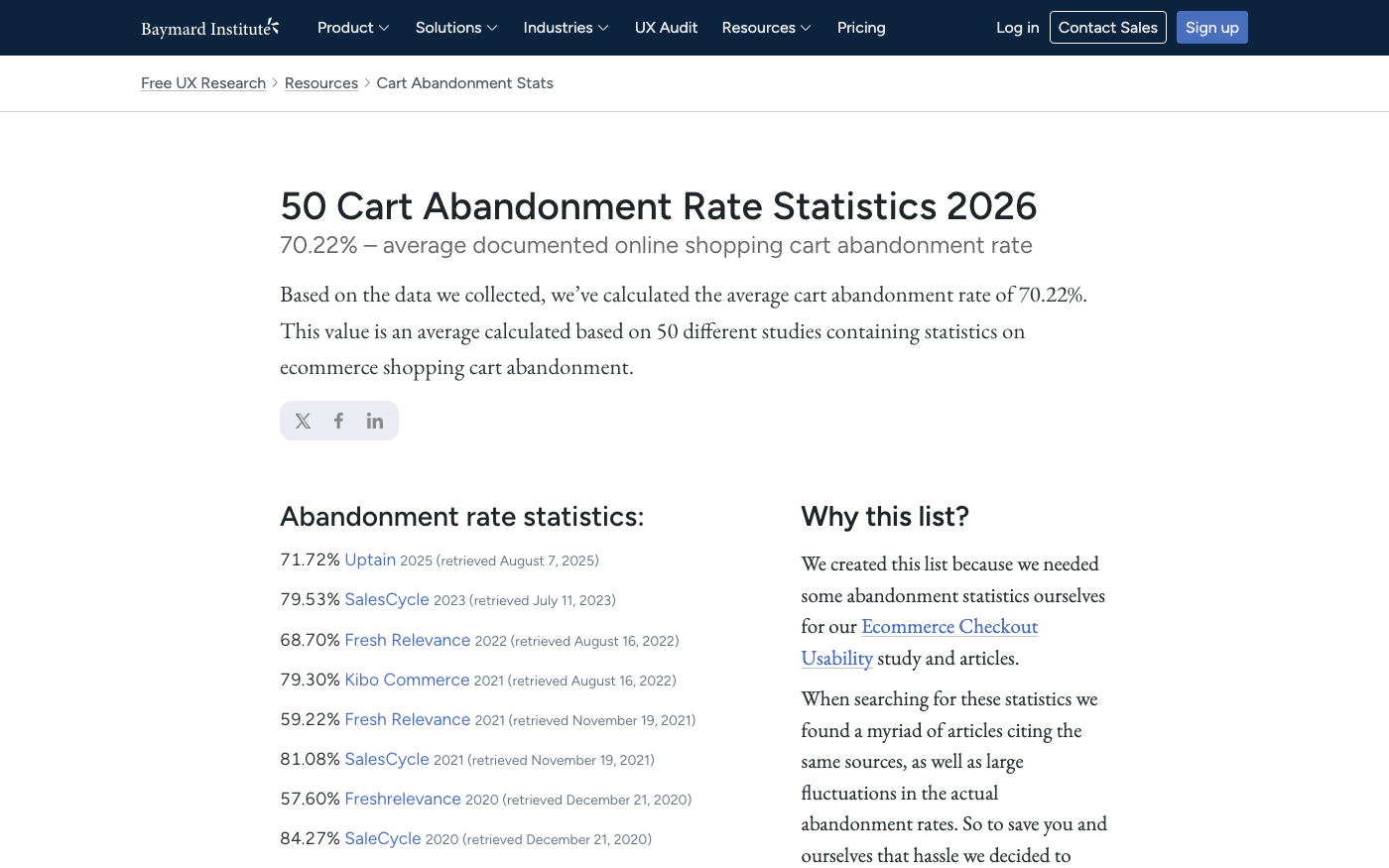
Baymard's checkout research shows abandonment remains high across ecommerce when friction and uncertainty are present. Use those findings to prioritize trust and clarity from the PDP itself, not only at checkout (Baymard).
"Unexpected costs and uncertainty are still leading abandonment drivers." — Baymard Institute
Trust-First Content Blocks Above the Fold
Show key ingredients with plain-language function.
Add skin-type and concern fit indicators.
Place social proof with context (skin type, usage duration).
Link safety or policy clarifications inline.
Expand details: Block · Why It Matters · Recommended Placement
Block
Why It Matters
Recommended Placement
Ingredient snapshot
Reduces formulation ambiguity
Directly under title/price
Skin concern fit
Helps self-qualification
Next to variant selector
Results proof
Lowers performance skepticism
Before CTA repeat
Safety notes
Minimizes fear-based abandonment
Sticky note near CTA
Quote-Led Insight for Teams
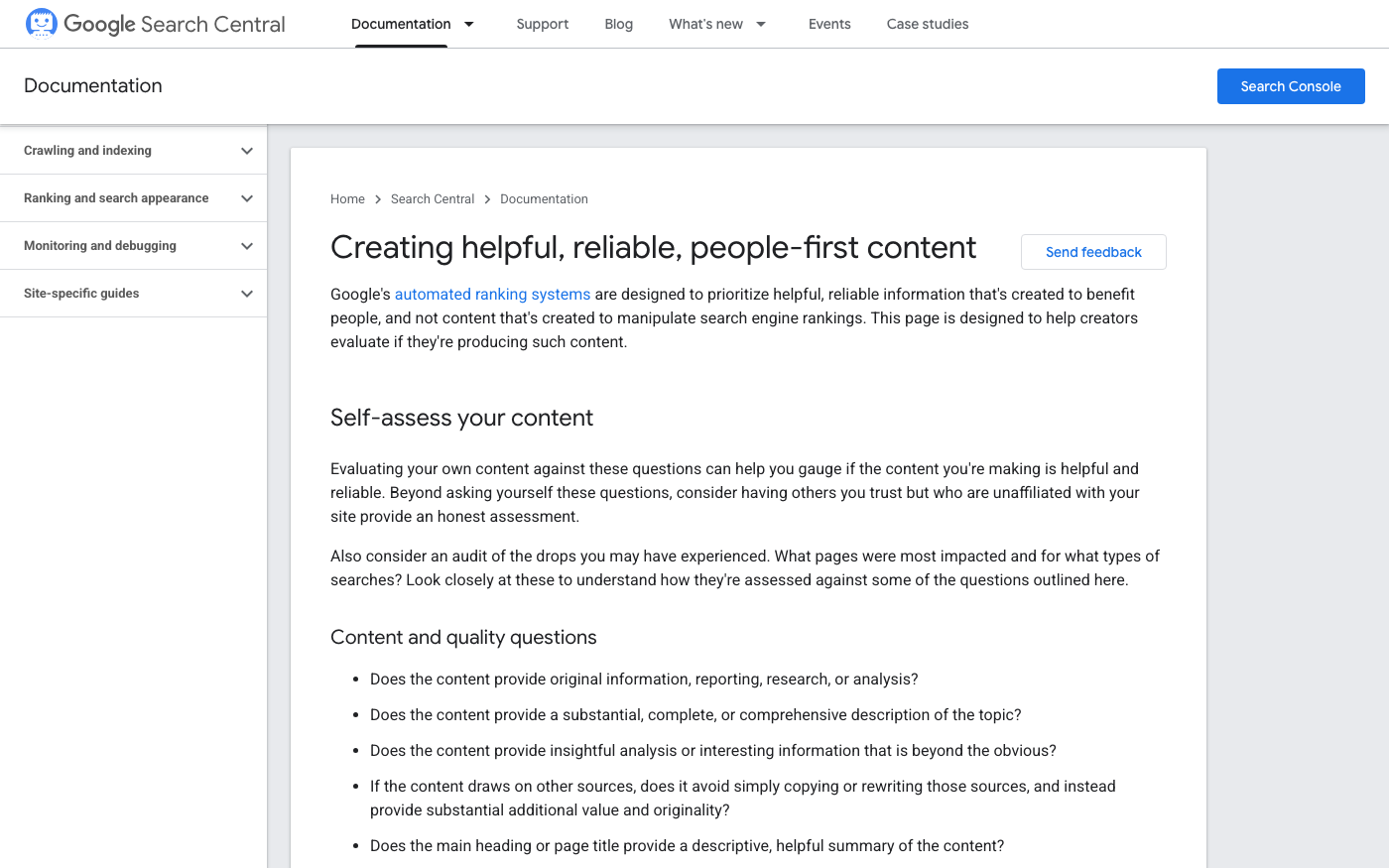
"Helpful content should satisfy the searcher and make intent completion easy." — Google Search Central
This is why Shopify product page customization skincare should be task-oriented, not decorative. Structure is a conversion tool.
Data Model: Shopify Metafields for Skincare Context
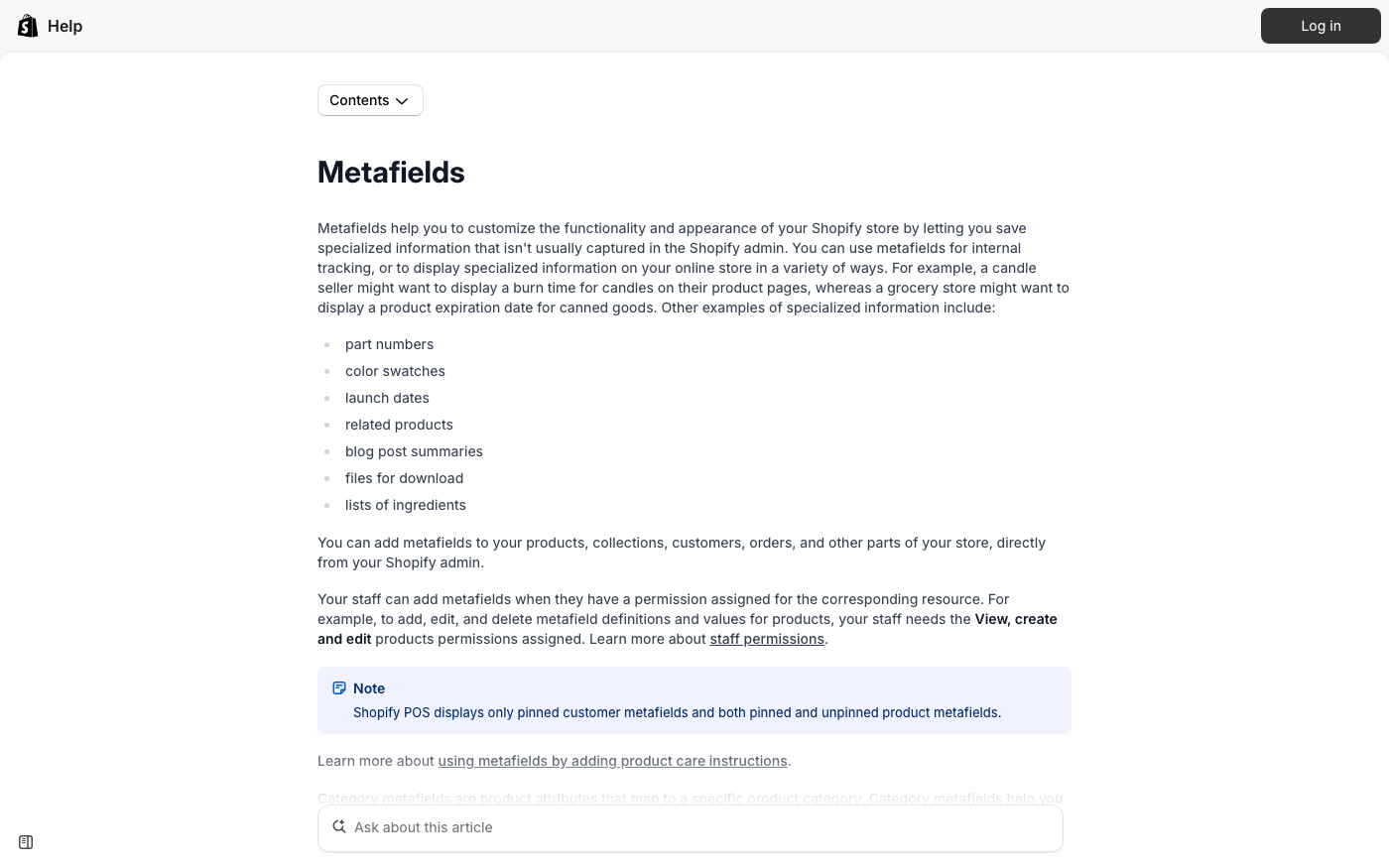
Use metafields to make complex skincare data maintainable across your catalog.
Start with Shopify's official custom data model so your PDP logic scales cleanly (Shopify Docs).
Recommended Metafield Schema
Namespace.Key
Type
Example
Frontend Use
skincare.key_ingredients
list.single_line_text_field
Niacinamide, Ceramide NP
Ingredient chips + tooltip
skincare.skin_types
list.single_line_text_field
Oily, Combination
Compatibility badges
skincare.concerns
list.single_line_text_field
Acne, Texture
Concern filter + icon row
skincare.usage_frequency
single_line_text_field
Daily PM
Routine callout
safety.patch_test
boolean
true
Safety alert component
{% assign ingredients = product.metafields.skincare.key_ingredients.value %}
{% if ingredients and ingredients.size > 0 %}
  <ul class="ingredient-list">
    {% for ingredient in ingredients %}
      <li>{{ ingredient }}</li>
    {% endfor %}
  </ul>
{% endif %}
Use a single component contract so the same fields render consistently across template variants. For implementation depth, align this with your product page customization workflow.
Core Web Vitals Threshold Reference
Expand details: Core Web Vitals: Good vs Needs Improvement Thresholds
Core Web Vitals: Good vs Needs Improvement Thresholds
A fast skincare PDP is not optional; it is part of product trust.
Google's page experience and vitals guidance is explicit: poor loading and interactivity degrade user satisfaction and visibility over time (Google Search Central).
"Core Web Vitals are a subset of Web Vitals that apply to all web pages." — web.dev
KPI Table for Weekly Review
KPI
Baseline Target
Alert Threshold
Owner
Mobile LCP
<= 2.5s
> 4.0s
Theme dev
Mobile INP
<= 200ms
> 500ms
Frontend dev
Mobile CLS
<= 0.1
> 0.25
QA + dev
Add-to-cart rate
+10% QoQ
-5% WoW
Growth lead
Checkout start rate
+8% QoQ
-4% WoW
Ecommerce manager
For store-wide execution support, teams usually combine this with Shopify speed optimization and regular release QA.
"Business outcomes are strongest when teams treat performance as a continuous practice, not a one-time project." — Google Search Central
Ready to Stop Managing Shopify Tasks and Start Shipping Them?
Shopify product page customization skincare performs best when execution and iteration happen weekly, not quarterly.
Use a delivery model that can ship metafield updates, template fixes, and performance experiments continuously instead of waiting on ad hoc freelancer cycles.
Start with the free trial and map your top 10 PDP improvements into a two-week sprint plan.
FAQ: Shopify product page customization skincare
What should be above the fold on a skincare PDP?
Lead with ingredients, concern fit, proof, and a clear primary CTA. Keep support context one scroll away, not buried in tabs.
Do I need custom code for skincare PDPs?
Not always. You can ship v1 with theme sections plus metafields, then add Liquid components for advanced conditional logic.
How many internal links should I include in long-form ecommerce content?
At least three relevant internal links across body sections is a practical baseline, with context-first anchors that help users continue decision-making.
Summary
Shopify product page customization skincare succeeds when you treat PDPs like conversion systems: structured data, visible trust assets, and measurable performance targets. Build around metafields, monitor vitals weekly, and run small experiments on proof placement, CTA language, and mobile readability.