Transform your DTC food brand homepage with proven Shopify optimization strategies. Increase conversions with mobile-first design, speed optimization, and food-focused best practices.
Shopify Homepage Updates for DTC Food Brands: Complete Guide
TL;DR
This guide breaks down Shopify homepage updates DTC food brand with practical implementation steps, common risks, and the fastest path to measurable Shopify improvements.
Why DTC Food Brand Homepages Need Special Optimization
Food brands operate in a unique digital commerce environment that requires specialized homepage optimization strategies.
The growth of this market is driven by the rising adoption of convenience foods, growing online purchases of food products, and the increasing number of DTC food brands. The growing demand for premium & personalized food products is expected to generate market growth opportunities.
The Psychology of Food Photography in Digital Commerce
Food products rely heavily on visual appeal to trigger appetite and purchase intent. Unlike other e-commerce categories, food brands must overcome the challenge of making products appear fresh, appetizing, and high-quality through digital screens. Professional food photography that showcases texture, color, and freshness becomes critical for conversion.
Research shows that food shoppers make rapid decisions based on visual cues, with the quality of product images directly correlating to perceived product quality. This psychological response makes homepage hero images particularly important for food brands, as they set expectations for the entire shopping experience.
Mobile-First Shopping Behavior for Food Products
Mobile-first design: Food delivery apps like Uber Eats and Doordash are predominantly mobile-focused, which cements consumers' habit of ordering food through their smartphones. This tracks with broader ecommerce trends: 63% of all online sales will be facilitated by a mobile device by 2028.
The mobile shopping behavior for food products differs significantly from other categories. Food shoppers often browse while hungry, making impulse purchase decisions and seeking immediate gratification. This behavior pattern requires streamlined mobile experiences with minimal friction between product discovery and purchase completion.
Essentials of a food ecommerce infrastructure include: Social media integration: Tastewise's 2025 report found 74% of Gen Z use TikTok for food inspiration, and 56% look to YouTube Shorts for recipes.
Trust Signals That Matter for Food Safety and Quality
Food brands must address unique consumer concerns about safety, quality, and authenticity. Unlike fashion or electronics, food products involve direct consumption, making trust signals particularly critical. Shoppers need reassurance about ingredient sourcing, manufacturing processes, and storage conditions.
Key trust indicators for food brands include FDA compliance badges, organic certifications, allergen information, and clear expiration date policies. These elements must be prominently displayed on the homepage to address safety concerns immediately.
Essential Homepage Elements That Convert Food Shoppers
Successful food brand homepages incorporate specific elements designed to address the unique needs and behaviors of food shoppers.
Food & Beverages: 6.22% (highest) conversion rate demonstrates the potential when these elements are properly implemented.
Hero Banner Design for Food Brands
The hero banner serves as the primary visual anchor for food brands, requiring careful consideration of appetite appeal and brand positioning. Effective food brand heroes feature high-resolution product images that emphasize freshness, quality ingredients, and the end-use context.
Best practices include using lifestyle photography that shows the product being enjoyed, incorporating seasonal messaging to create urgency, and ensuring mobile-responsive design that maintains visual impact across devices. The hero should communicate the brand's unique value proposition within the first few seconds of page load.
Expand details: Hero Banner Element · Food Brand Requirement · Mobile Consideration
Hero Banner Element
Food Brand Requirement
Mobile Consideration
Image Resolution
2400x1200 minimum
1200x1200 square crop
Load Time Target
<2 seconds
<3 seconds
Call-to-Action
Above fold placement
Thumb-friendly size
Value Proposition
Clear within 5 seconds
Single sentence
Product Grid Layout and Visual Hierarchy
Food brands benefit from product grids that emphasize variety and seasonal offerings. The layout should guide shoppers through a logical flow from bestsellers to new arrivals to seasonal specials. Visual hierarchy becomes particularly important for food brands with extensive product lines.
Effective grids use consistent image styles, clear category distinctions, and promotional callouts for limited-time offers. The layout should accommodate subscription options and bundle deals, which are particularly important for food brands building customer lifetime value.
Social Proof and User-Generated Content Integration
Use social proof to build trust: Add reviews and user-generated content to help validate your brand and boost buyer confidence.
Food brands particularly benefit from user-generated content showing real customers enjoying products in authentic settings.
Reviews for food products should emphasize taste, quality, and delivery experience. Integration of Instagram feeds, customer photos, and video testimonials creates authentic connections that traditional product descriptions cannot achieve.
Subscription and Bundle Offering Placement
Food brands often rely on subscription models for recurring revenue. Homepage placement of subscription options requires strategic positioning that emphasizes convenience and value without overwhelming first-time visitors.
Bundle offerings should be positioned to increase average order value while providing genuine value to customers. Effective placement includes hero banner callouts, dedicated sections below product grids, and sticky elements that follow scroll behavior.
"Food brands using real-time data report faster go-to-market and up to 20% cost savings." - Tastewise Research
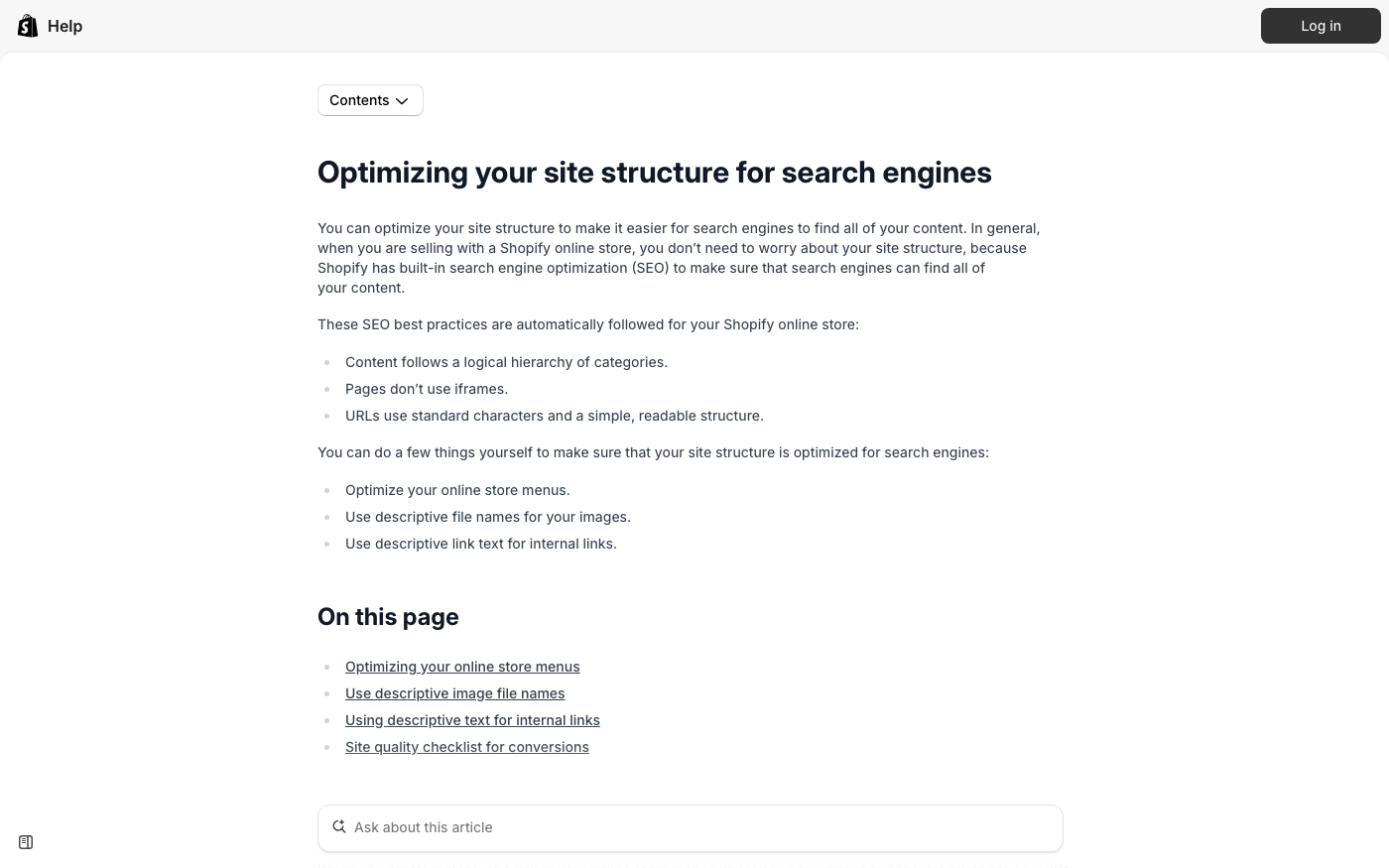
Shopify Help Center: Optimizing site structure
Source: help.shopify.com · Captured: Apr 1, 2026
Optimizing Homepage Banners for Maximum Impact
Banner optimization for food brands requires balancing appetite appeal with technical performance across multiple devices. Professional implementation of banner strategies can significantly impact conversion rates and user engagement.
Ideal Banner Dimensions for Food Brand Homepages
Food brand banners must accommodate high-resolution imagery while maintaining fast load times. The recommended approach uses responsive design with multiple image sizes optimized for different viewport widths.
For desktop displays, use 2400x1200 pixels as the base resolution, ensuring crisp rendering on high-DPI screens. Mobile requires 1200x1200 square format to maximize screen real estate and accommodate vertical viewing patterns common in food browsing.
Device Type
Recommended Dimensions
File Size Target
Format
Desktop
2400x1200
<500KB
WebP/JPEG
Tablet
1536x1024
<350KB
WebP/JPEG
Mobile
1200x1200
<250KB
WebP/JPEG
Mobile vs Desktop Banner Strategy
Mobile dominates Shopify traffic at 79% but lags in transactions at 68%, revealing a conversion gap. However, mobile accounts for only 68% of transactions, revealing a conversion gap.
This gap requires specialized mobile banner strategies that prioritize conversion over visual complexity.
Mobile banners should feature larger text, simplified messaging, and prominent call-to-action buttons designed for thumb navigation. Desktop banners can accommodate more detailed information and secondary messaging elements.
The mobile-first approach involves designing for the mobile experience first, then enhancing for larger screens rather than reducing from desktop versions. This ensures optimal performance on the dominant traffic source.
Food Photography Best Practices for Hero Images
Professional food photography for banners requires specific techniques to ensure appetite appeal translates through digital screens. Key elements include proper lighting to emphasize freshness, composition that guides the eye toward key product features, and styling that reflects the brand's quality positioning.
Color accuracy becomes critical for food products, as slight variations can affect perceived quality and freshness. Use calibrated monitors during selection and implement color management throughout the production pipeline.
Copy That Converts: Headlines for Food Brands
Food brand headlines must balance appetite appeal with clear value communication. Effective headlines often incorporate sensory language, freshness indicators, and immediate benefit statements.
Testing shows that headlines emphasizing "fresh," "natural," and "artisan" resonate strongly with food shoppers. However, these terms must be supported by authentic product attributes to avoid credibility issues.
"Healthy baked goods retailer Stellar Eats enabled one-page checkout in Shopify to increase their conversion rate by 3.5%—something cofounder and chief product officer Emma Kular credited as a 'game-changer for reducing friction.'" - Shopify DTC Food Guide
Mobile Optimization Strategies for DTC Food Brands
Mobile optimization for food brands requires addressing the unique browsing and purchasing behaviors of food shoppers on mobile devices.
Mobile dominates Shopify traffic at 79% but lags in transactions at 68%, revealing a conversion gap.
Understanding the mobile optimization needs for Shopify mobile fixes becomes critical for food brands looking to bridge this conversion gap.
Touch-Friendly Navigation for Food Categories
Food brands typically offer extensive product catalogs that require intuitive mobile navigation. Touch-friendly design principles include minimum 44px touch targets, adequate spacing between interactive elements, and logical category hierarchy that matches customer thinking patterns.
Implement thumb-friendly navigation with bottom-anchored menus that accommodate one-handed browsing. Food shoppers often browse while multitasking, making easy navigation particularly important.
Category filters should be easily accessible and clearly labeled with terms customers actually use. Avoid industry jargon in favor of consumer-friendly language that matches search behavior.
Optimizing Product Images for Mobile Viewing
Mobile product images require different optimization strategies than desktop versions. The smaller screen size demands larger, more focused product shots that communicate key attributes quickly.
Use image compression techniques that maintain visual quality while reducing load times. Implement lazy loading to prioritize above-the-fold content and progressive enhancement for secondary images.
Consider implementing image zoom functionality that works smoothly on touch devices, allowing customers to examine product details without leaving the current page.
Streamlined Mobile Checkout Integration
Single-page checkout: If shoppers visit your site, make it easy for them to complete their purchase. Healthy baked goods retailer Stellar Eats enabled one-page checkout in Shopify to increase their conversion rate by 3.5%
Mobile checkout optimization for food brands requires minimizing form fields, implementing autofill capabilities, and providing multiple payment options including digital wallets. The goal is reducing friction between purchase intent and completion.
Consider implementing guest checkout options that don't require account creation, as food purchases often represent impulse decisions where additional steps can cause abandonment.
Speed Optimization Techniques for Food Brand Homepages
Page speed directly impacts conversion rates for food brands, where impulse purchases and appetite-driven decisions require immediate gratification. Implementing comprehensive Shopify speed optimization strategies becomes essential for maintaining competitive advantage.
Image Optimization for Food Photography
Food brands face unique challenges with image optimization due to the high-quality photography required to showcase appetite appeal. The key is balancing visual quality with load performance through advanced compression techniques.
Implement next-generation image formats like WebP, which provide superior compression while maintaining visual quality. Use responsive images with multiple sizes to serve appropriate versions based on device capabilities.
Consider implementing adaptive image loading that prioritizes hero images while lazy-loading secondary content. This approach ensures critical above-the-fold content loads immediately while optimizing overall page performance.
Image Optimization Technique
Performance Impact
Quality Impact
Implementation Difficulty
WebP Conversion
25-35% size reduction
Minimal
Low
Lazy Loading
40-60% faster initial load
None
Medium
Responsive Images
20-30% bandwidth savings
None
Medium
Progressive JPEG
Perceived 30% faster load
Minimal
Low
Reducing Third-Party App Impact
Food brands often use multiple apps for reviews, subscriptions, loyalty programs, and social media integration. Each app adds additional HTTP requests and potential performance bottlenecks.
Audit third-party scripts regularly and remove unnecessary applications. Consider consolidating functionality where possible and implementing asynchronous loading for non-critical features.
Prioritize apps that directly impact conversion while deferring or removing those that provide marginal value. The goal is maintaining functionality while minimizing performance impact.
Core Web Vitals for E-commerce Success
Device Type: Desktop users show higher purchase intent than mobile users. User Experience: Simplified navigation and fast load times drive better conversions.
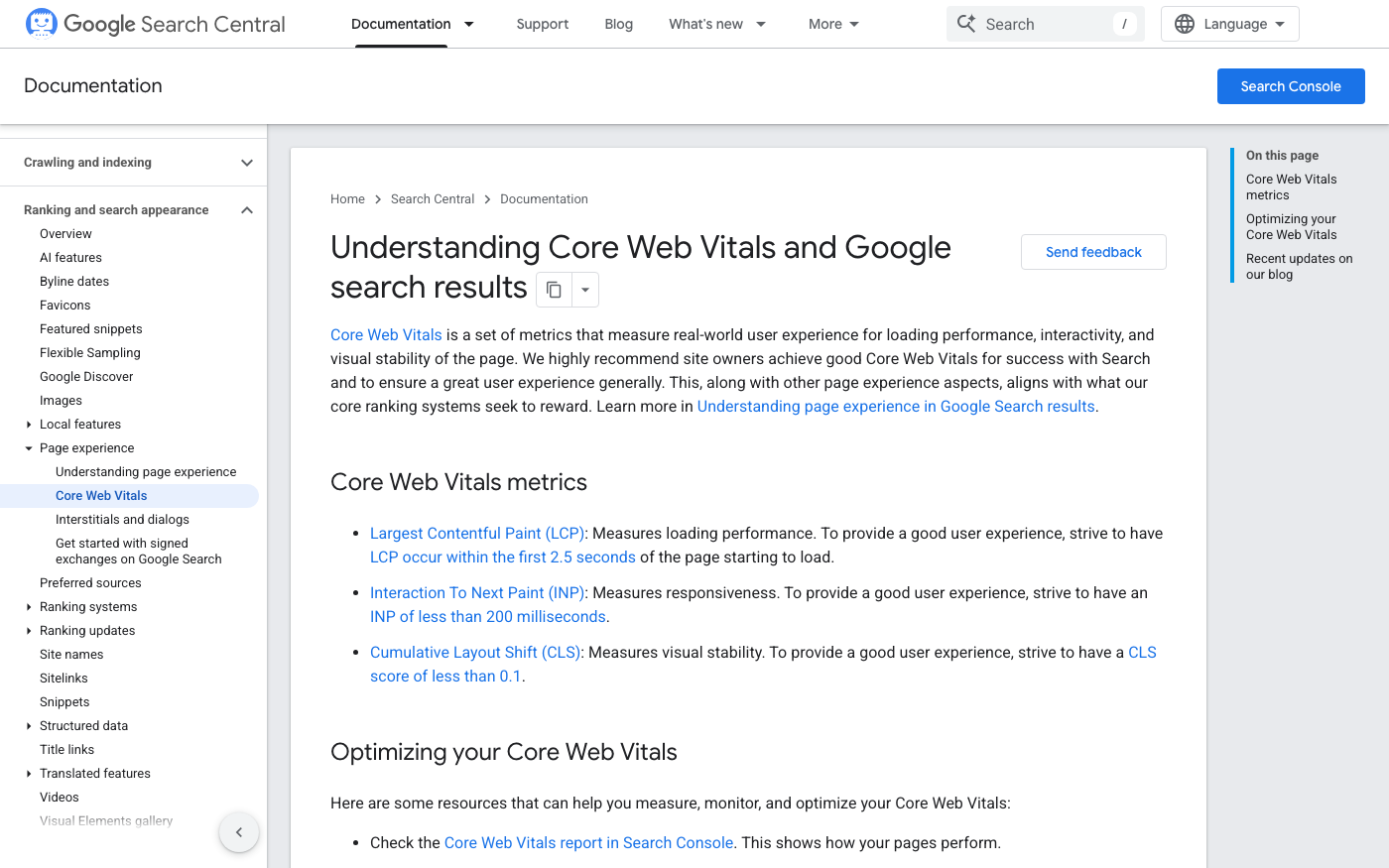
Focus on Google's Core Web Vitals metrics to ensure optimal user experience across all devices.
Target Largest Contentful Paint (LCP) under 2.5 seconds, First Input Delay (FID) under 100 milliseconds, and Cumulative Layout Shift (CLS) under 0.1. These metrics directly correlate with user experience and search engine rankings.
Implement performance monitoring to track Core Web Vitals continuously and identify optimization opportunities. Regular monitoring helps maintain performance as new features and content are added.
"Since launching the Shop Campaigns, Liquid I.V. has reduced overall cost per acquisition by over 40%. They also found that customers acquired through this channel were twice as likely to repurchase." - Shopify Enterprise
Building Trust and Social Proof on Food Brand Homepages
Trust signals are particularly critical for food brands due to safety concerns and the personal nature of consumption decisions.
Industries like personal care products and food & beverages consistently outperform others due to their reliance on consumable, high-frequency purchases.
Customer Reviews and Ratings Display
Food brands benefit significantly from authentic customer reviews that address taste, quality, and delivery experience. Position reviews prominently on the homepage to address common concerns before they become barriers to purchase.
Implement review widgets that showcase recent feedback, aggregate ratings, and specific product testimonials. Consider featuring reviews that include customer photos of the product being enjoyed, as these provide authentic social proof.
Use schema markup for reviews to improve search engine visibility and potentially earn rich snippets in search results. This approach increases organic traffic while building credibility.
Certifications and Quality Badges
Food safety certifications, organic labels, and quality badges serve as powerful trust signals for food brands. Display relevant certifications prominently in the header or hero area to address safety concerns immediately.
Common certifications include FDA registration, USDA Organic, Non-GMO Project Verified, and various allergen-free designations. Each certification addresses specific customer segments and purchase concerns.
Certification Type
Customer Segment
Trust Impact
Placement Priority
USDA Organic
Health-conscious
High
Header/Hero
FDA Registered
Safety-focused
Very High
Header
Non-GMO
Clean label seekers
Medium
Product pages
Allergen-Free
Restricted diets
High
Category pages
Ingredient Transparency and Sourcing Information
Modern food shoppers increasingly demand transparency about ingredient sourcing, manufacturing processes, and supply chain practices. Homepage content should address these concerns proactively.
Consider implementing ingredient sourcing stories, farmer profiles, or manufacturing process overviews. This content builds emotional connections while addressing rational purchase concerns.
Use clear, jargon-free language to explain complex processes or certifications. The goal is building confidence through education rather than overwhelming customers with technical details.
Food brands require specialized SEO strategies that address local search behavior, seasonal trends, and food-specific search queries. Effective homepage SEO helps capture high-intent traffic searching for specific food categories and dietary requirements.
Local SEO for Food Brands
Many food searches include local intent, even for online-only brands. Implement local SEO elements including business schema markup, location-specific content, and regional keyword targeting.
Consider creating location-specific landing pages for major markets while maintaining a cohesive brand experience. This approach captures local search traffic while supporting national expansion strategies.
Optimize for "near me" searches by implementing proper schema markup and ensuring consistent NAP (Name, Address, Phone) information across all digital properties.
Structured Data for Food Products
Food products benefit from specific schema markup types including Recipe, NutritionInformation, and Product schemas. These markups help search engines understand product attributes and potentially earn rich snippets.
Implement FoodEstablishment schema for restaurants or food service businesses and Organization schema for brand information. Proper structured data improves search visibility and click-through rates.
Consider implementing review schema to display star ratings in search results, which can significantly improve click-through rates for food products where social proof is critical.
Content Strategy for Food-Related Keywords
Develop content strategies that address the full customer journey from problem awareness to purchase decision. Food brands should target informational queries related to cooking, nutrition, and lifestyle topics.
Create seasonal content calendars that align with food holidays, seasonal ingredients, and cultural celebrations. This approach captures timely traffic while supporting brand positioning.
Focus on long-tail keywords that reflect specific dietary needs, cooking methods, and usage occasions. These keywords often have lower competition while attracting highly qualified traffic.
"Food brands using this real-time data report faster go-to-market and up to 20% cost savings." - Tastewise Research
Measuring and Testing Homepage Performance
Continuous optimization requires systematic measurement and testing specifically designed for food brand success metrics.
Food & beverage leads at 6.11% because buying a $25 specialty sauce requires minimal research. Luxury jewelry converts at just 1.19% because customers research extensively before spending $2,000+ on a watch.
Key Metrics for Food Brand Homepage Success
Food brands should track conversion rates, average order value, customer acquisition cost, and customer lifetime value as primary metrics. Additionally, monitor food-specific metrics like subscription conversion rates and seasonal performance variations.
Track mobile conversion gaps specifically, as mobile dominates Shopify traffic at 79% but lags in transactions at 68% represents a significant optimization opportunity.
Consider tracking taste-related metrics through post-purchase surveys and repeat purchase rates, as these indicate product satisfaction beyond initial marketing effectiveness.
Metric Category
Primary KPI
Food Brand Target
Measurement Frequency
Conversion
Homepage CVR
4-6%
Daily
Revenue
AOV
$45-75
Weekly
Retention
Repeat Rate
25-35%
Monthly
Mobile
Mobile CVR
3-4%
Daily
A/B Testing Strategies for Food Commerce
Implement systematic A/B testing programs that focus on elements specific to food commerce success. Test hero images, value propositions, pricing displays, and social proof placement.
Consider seasonal testing strategies that account for changing consumer behavior throughout the year. Food brands often see significant seasonal variations that require adapted messaging and product positioning.
Test subscription messaging and bundle offers separately, as these elements often interact with other page components in complex ways that require isolated testing.
Tools for Monitoring Homepage Performance
Implement comprehensive analytics including Google Analytics 4, Shopify Analytics, and specialized tools for tracking Core Web Vitals and user experience metrics.
Use heat mapping tools to understand how food shoppers interact with homepage elements, particularly on mobile devices where scrolling behavior differs significantly from desktop usage.
Consider implementing real-user monitoring (RUM) to track actual performance experienced by customers across different devices and network conditions.
Additional Reference Tables
Execution Priority Matrix for Shopify homepage updates DTC food brand
Task type
Impact on growth
Effort level
Recommended sequence
Revenue blockers
High
Medium
Resolve first
Conversion UX fixes
High
Medium
Ship next
Design polish items
Medium
Low
Bundle weekly
Experimental ideas
Variable
High
Test after core fixes
Quality Assurance Checklist for Shopify homepage updates DTC food brand
Checkpoint
Why it matters
Owner
Done when
Mobile QA
Most traffic is mobile-first
Developer + marketer
No layout or tap issues
Performance checks
Speed impacts conversion and SEO
Developer
Core templates pass audits
Tracking validation
Attribution affects decisions
Marketing ops
Events match expected counts
Rollback readiness
Reduces launch risk
Store owner
Previous version can be restored quickly
Measurement Plan for Shopify homepage updates DTC food brand
Metric
Leading indicator
Review cadence
Action trigger
Conversion rate
Add-to-cart rate
Weekly
Drop >10% week-over-week
Speed health
LCP and CLS trend
After each release
Any regression from baseline
Merchandising quality
PDP engagement depth
Weekly
High bounce on key pages
Revenue outcome
AOV and revenue/session
Bi-weekly
No uplift after two test cycles
FAQ: Shopify homepage updates DTC food brand
What are the most important homepage elements for DTC food brands?
Hero banners showcasing appetite appeal, clear value propositions emphasizing freshness or quality, customer reviews and ratings, trust signals like certifications, and mobile-optimized navigation are essential for food brand success.
How can I improve my mobile conversion rate for food products?
Focus on thumb-friendly navigation, implement one-page checkout, optimize images for mobile viewing, use larger text and buttons, and minimize form fields in the purchase process.
What banner dimensions work best for food brand homepages?
Use 2400x1200 pixels for desktop and 1200x1200 square format for mobile, ensuring file sizes under 500KB for desktop and 250KB for mobile while maintaining visual quality.
How do I build trust for food safety on my homepage?
Display safety certifications prominently, include customer reviews mentioning quality and freshness, provide ingredient transparency, show clear return policies, and use professional product photography.
What conversion rate should I expect for my food brand homepage?
Food & Beverage has seen the highest conversion rates, at 6%, making 4-6% a reasonable target for optimized food brand homepages, significantly higher than the 2-3% industry average.
How important is page speed for food brand conversions?
Critical - food purchases often involve impulse decisions where slow loading can kill appetite appeal and conversion intent. Target under 2.5 seconds for mobile load times.
Summary
Optimizing your DTC food brand's Shopify homepage requires a specialized approach that addresses the unique behaviors and concerns of food shoppers. With the DTC food market projected to reach $195.39 billion by 2031 and food brands achieving 6% conversion rates, the opportunity is significant for brands that implement proper optimization strategies.
Key priorities include mobile-first design to address the 79% mobile traffic majority, speed optimization to support impulse purchase decisions, and trust signals specific to food safety and quality. Hero banners must balance appetite appeal with technical performance, while navigation should accommodate one-handed browsing and quick category switching.
Success requires continuous measurement and testing, particularly focusing on mobile conversion gap closure and seasonal performance optimization. By implementing these food-specific strategies alongside proven e-commerce fundamentals, DTC food brands can significantly improve homepage performance and overall business results.
Ready to optimize your Shopify homepage for maximum conversions? Krish's expert team specializes in DTC food brand optimizations that deliver results. From mobile-first design to conversion rate optimization, we handle the technical details so you can focus on growing your business. Get your first month of Shopify development free and see how professional optimization can transform your homepage performance.